Hazard Tree Assessment
Hazard Tree Assessment in Leavenworth, WA
Not sure if a tree on your property is safe? Our ISA Certified Arborist provides professional hazard tree evaluations with written reports. We help homeowners, buyers, and property managers in Leavenworth, Lake Wenatchee, Plain, Cashmere, and the Upper Wenatchee Valley.
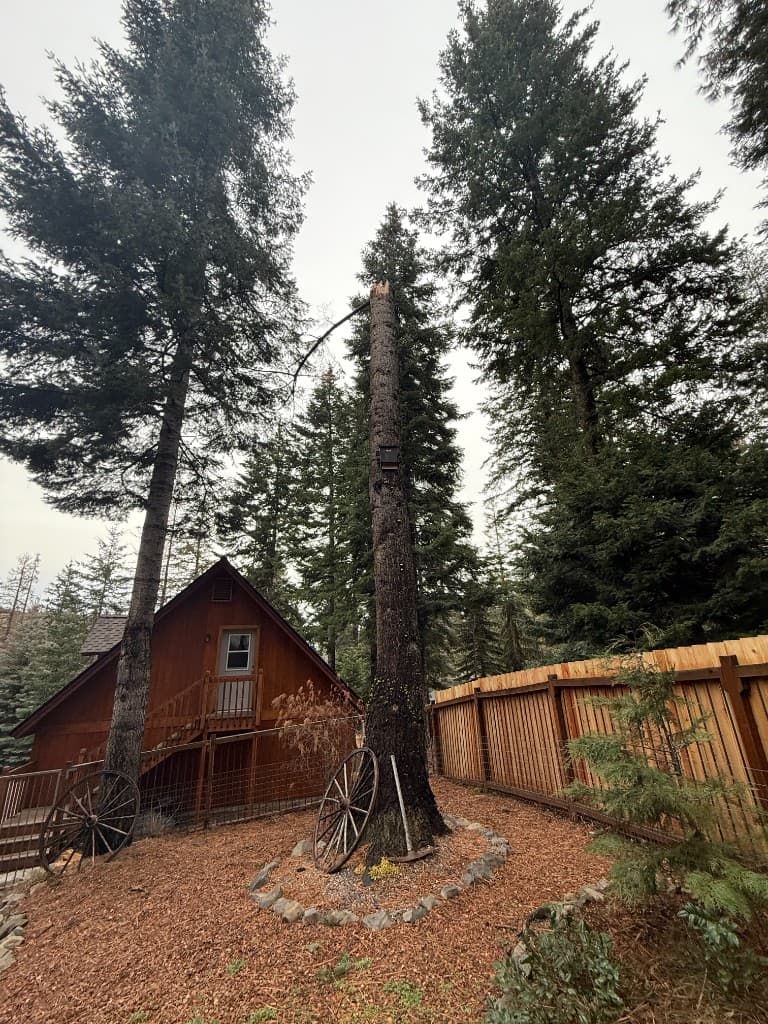
Professional Tree Risk Evaluation
Trees are a wonderful part of living in the Leavenworth area. But a tree that is dead, diseased, or structurally unsound can be a serious danger. Falling trees and large branches cause property damage, injuries, and even fatalities every year. The problem is that many hazard trees do not look dangerous from the outside. Decay and structural weakness can be hidden inside the trunk or underground in the root system.
That is why professional hazard tree assessment matters. A trained arborist knows what to look for and how to evaluate the risk a tree poses. At Clifton Tree Service, our ISA Certified Arborist conducts thorough hazard tree assessments for homeowners, property buyers, HOAs, and property managers throughout the Leavenworth area and Upper Wenatchee Valley.
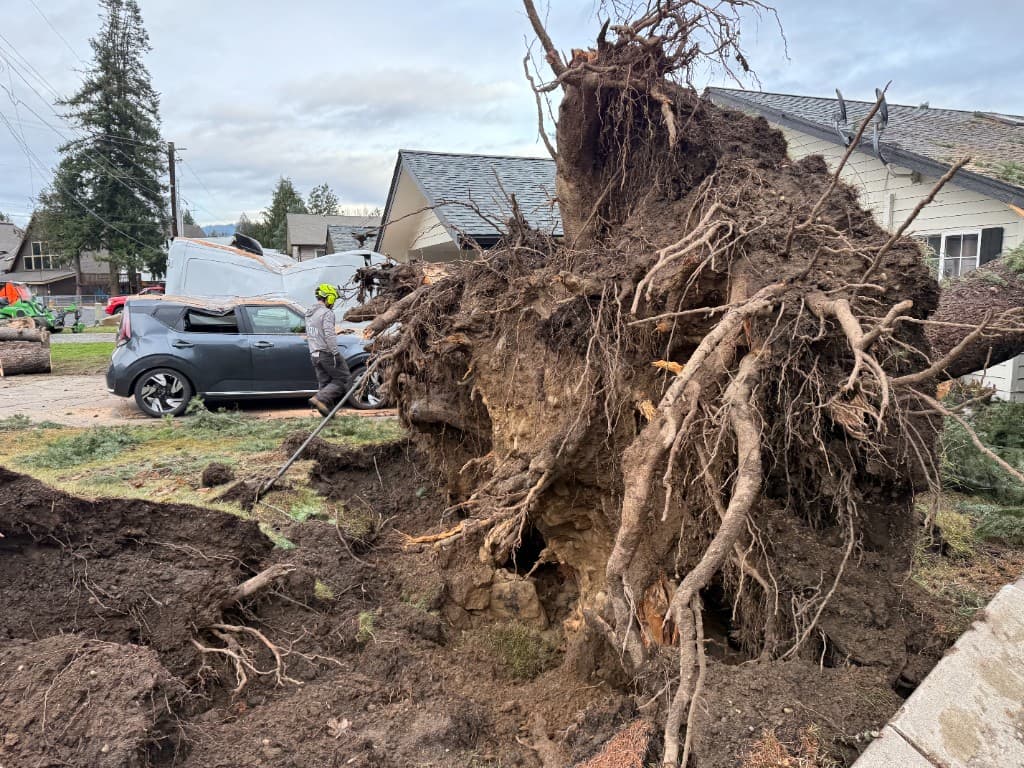
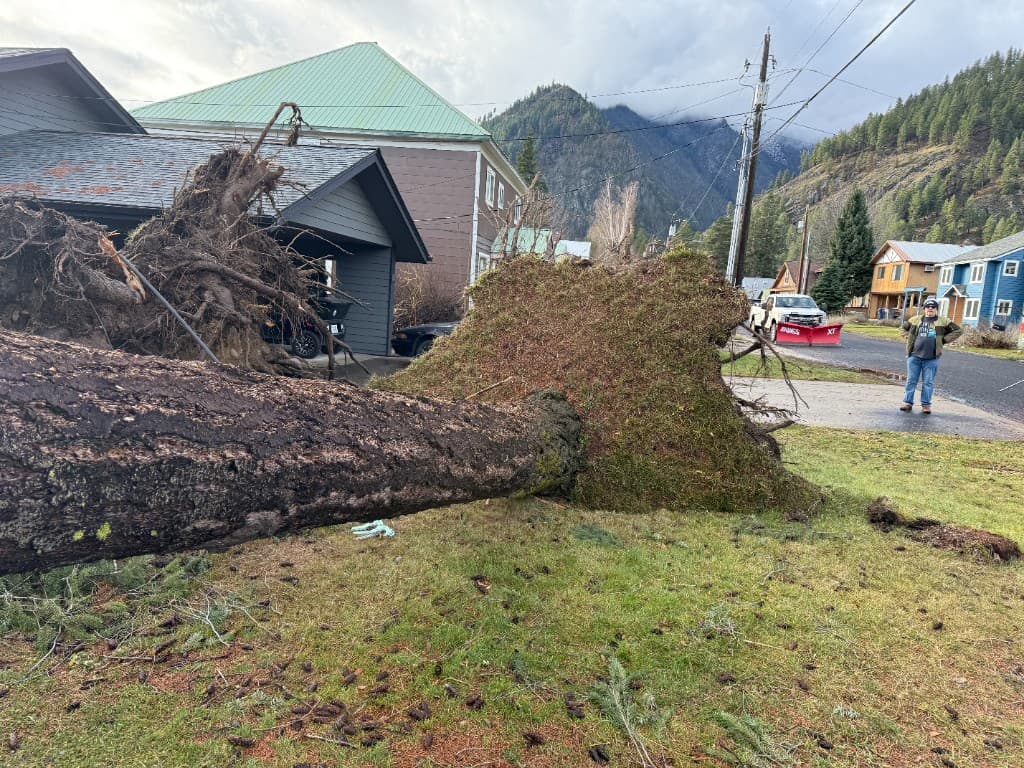
What We Look For
A hazard tree assessment is a detailed inspection of the tree and its surroundings. Our arborist examines several key areas:
- Root zone. We check for exposed roots, heaving soil, root damage from construction, and signs of root decay. A tree with a compromised root system can topple even in moderate wind.
- Trunk. We look for cracks, splits, cavities, cankers, and signs of decay. We check for lean and whether the lean has changed over time. Fungal fruiting bodies like mushrooms at the base are a sign of internal rot.
- Branch structure. Dead branches, crossed limbs, weak branch attachments, and co-dominant stems all increase the risk of failure. We identify which branches pose the greatest risk.
- Canopy. Thin or one-sided canopies can indicate root problems or internal decay. Dieback in the upper canopy is often a sign that the tree is in decline.
- Targets. A hazard tree is only a hazard if there is something it could hit. We evaluate what is in the fall zone, including buildings, driveways, walkways, play areas, and other high-use areas.
Signs Your Tree May Be Hazardous
While a professional assessment is the best way to know for sure, here are some warning signs that a tree on your property may need attention:
- Large dead branches in the canopy that could fall
- Mushrooms or shelf fungus growing on the trunk or at the base
- Cracks or deep splits in the trunk
- The tree is leaning more than it used to
- Bark is peeling off or missing from large sections of the trunk
- The tree has been damaged by storms, construction, or vehicles
- Sawdust or small holes from boring insects
- The soil around the base is heaving or the roots are lifting
If you notice any of these signs, do not wait. A tree that seems stable today can fail without warning, especially during a wind or snow storm. Call us and we will come take a look.
Written Reports for Insurance and Real Estate
Our hazard tree assessments include a written report when needed. The report documents the condition of the tree, the specific hazards identified, the risk level, and our recommended course of action. These reports are valuable in several situations:
- Insurance claims. If a tree fails and causes damage, having a prior assessment can support your claim or demonstrate that you took reasonable steps to address the risk.
- Real estate transactions. Buyers and sellers can use a hazard tree report to understand and address risks before closing.
- HOA and property management. Written assessments help boards and managers make informed decisions about tree maintenance and removal.
- Peace of mind. Knowing the condition of your trees gives you confidence and helps you plan for maintenance or removal.
What Happens After the Assessment
After evaluating your trees, our arborist will walk you through the findings and recommendations. Depending on the situation, the recommendation may be:
- No action needed. The tree is healthy and stable. We may recommend monitoring it over time.
- Pruning. Removing dead branches or reducing weight can lower the risk without removing the tree.
- Removal. If the tree is too far gone or the risk is too high, removal is the safest option. We can handle the tree removal as a separate project.
We never recommend removal unless it is genuinely necessary. Our goal is to help you keep healthy trees and take care of the ones that pose a real risk.
Schedule Your Hazard Tree Assessment
If you have trees that concern you, call us at 509-398-2840 or request an appointment online. Our arborist will visit your property, evaluate your trees, and give you clear, actionable information.
Related Services
Hazard tree assessment often leads to other services. Our clients also rely on our tree removal, tree pruning, emergency tree service, and tree assessment and consulting services.
Hazard Tree Assessment FAQs
Our Simple Process
1. Request a free estimate

2. Receive a call from our team

3. Schedule an on-site visit

4. Receive your project estimate

5. Pay 50% project deposit

6. We'll schedule your project!
Want a free estimate for your project?
Get in touch today to schedule your free quote.
Get a Free Estimate
